Relocation: A Brushed Display Font for Distinctive Branding
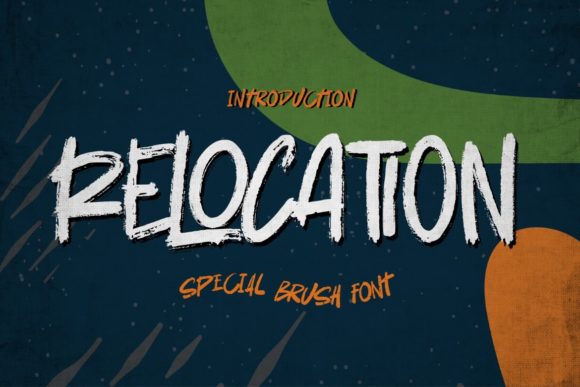
In a digital landscape saturated with clean, geometric sans-serifs and rigid grid-based layouts, finding a typeface that commands attention without sacrificing elegance can feel like an uphill battle. This is where Relocation steps in as a sophisticated solution for designers seeking to inject personality into their work. As a brushed display font, it offers an imposing presence defined by uniquely shaped letters that break away from traditional typographic norms. Its textured, hand-drawn aesthetic provides a distinct touch that resonates deeply with modern audiences who crave authenticity and visual depth.
For graphic designers and brand strategists, typography is never just about readability; it is about emotion. Relocation captures this nuance perfectly. It bridges the gap between raw artistic expression and professional polish, making it an invaluable asset for creative projects that demand a strong visual identity. Whether you are crafting a high-end brand identity or designing social media graphics that need to stop the scroll, understanding how to leverage such a specialized font can elevate your design workflow significantly.
The Visual Impact of Brushed Typography
Brushed fonts have seen a resurgence in contemporary design trends because they convey movement, texture, and human touch. Unlike vector-perfect fonts, Relocation features irregular edges and varying stroke widths that mimic the natural pressure of a paintbrush or marker. This imperfection is its greatest strength, adding warmth and character to any composition.
When integrating Relocation into your designs, consider its role in establishing visual hierarchy. Because of its bold and imposing nature, it works exceptionally well as a headline or display text. It draws the eye immediately, allowing secondary information to take a supportive role. However, its unique letterforms require careful handling to ensure they do not overwhelm the overall layout. The key lies in balancing its aggressive aesthetic with ample negative space and complementary elements.
Practical Applications in Modern Design
Relocation’s versatility allows it to fit seamlessly into a wide range of creative assets. Here is how you can effectively apply this font across different mediums:
- Branding and Logo Design: Use Relocation for wordmarks or logotypes in industries like fashion, lifestyle, or artisanal goods. Its distinctive shape helps create a memorable brand identity that stands out in crowded markets.
- Social Media Graphics: In the fast-paced world of Instagram or Pinterest, bold typography cuts through the noise. Pair Relocation with a muted color palette to let the font’s texture shine, creating engaging posts that encourage interaction.
- Packaging Design: For product packaging, especially in sectors like cosmetics, beverages, or gourmet foods, Relocation adds a premium, handcrafted feel. It suggests quality and attention to detail, enhancing the unboxing experience.
- Editorial and Print Design: Magazines and brochures benefit from the editorial flair of brushed fonts. Use it for pull quotes, chapter headers, or cover stories to add a layer of sophistication and artistic flair.
- Web and UI Design: While body text should remain readable, using Relocation for hero sections or call-to-action buttons can create a striking first impression. Ensure high contrast against backgrounds to maintain accessibility standards.
Strategic Considerations for Implementation
To maximize the effectiveness of Relocation, designers must approach it with strategic intent. Consistency is crucial when incorporating such a bold typeface into a broader brand system. If used in a logo, ensure that the accompanying fonts provide sufficient contrast—typically a clean sans-serif or a delicate serif works best to balance the weight of Relocation.
Scalability is another critical factor. Display fonts often lose their charm when scaled down too small. Test Relocation at various sizes to ensure its unique shapes remain legible and impactful. In digital marketing campaigns, verify that the font renders correctly across different devices and browsers, maintaining its crisp edges and textured details.
Furthermore, consider the psychological impact of your color palette. Relocation pairs beautifully with earthy tones, monochromatic schemes, or bold primary colors depending on the desired mood. A black-and-white combination emphasizes the font’s structural integrity, while pastel backgrounds can soften its imposing nature, making it more approachable.
Elevating Creative Projects Through Thoughtful Choices
Ultimately, the power of a font like Relocation lies in its ability to tell a story before a single word is read. It signals confidence, creativity, and a willingness to stand out. By carefully selecting and applying such distinctive typographic assets, designers can enhance user engagement and strengthen communication clarity.
Incorporating Relocation into your toolkit allows you to push beyond generic templates and create visuals that resonate on a deeper level. Whether you are refining a website’s UX design or launching a new advertising campaign, thoughtful typography choices contribute significantly to a polished, professional presentation. Embrace the unique character of Relocation to add a layer of distinction that elevates your creative output and leaves a lasting impression on your audience.