Old Empire: A Vintage Display Font for Bold Branding and Creative Projects
When you are looking to inject a sense of history, grit, and authentic character into your design work, Old Empire is not just another decorative typeface. It is a statement. This cool, rough-textured, and vintage-styled display font captures the essence of weathered signage, aged parchment, and classic Americana without feeling like a cliché. For designers, entrepreneurs, and crafters alike, Old Empire offers a tactile quality that digital designs often lack. It brings weight and presence to any project, making it an ideal choice for those who want their visual communication to feel grounded, established, and distinctly human.
In a market saturated with clean, minimalist sans serif fonts and polished geometric typefaces, there is a growing appetite for typography that tells a story before a single word is read. Old Empire fits perfectly into this niche. Whether you are designing a label for a small-batch coffee brand, creating a rustic wedding invitation, or building a brand identity for a heritage-inspired product, this creative font provides the texture and personality needed to stand out. It bridges the gap between modern layout sensibilities and traditional craftsmanship, offering a versatile tool for both print and digital applications.
The Visual Personality of Old Empire
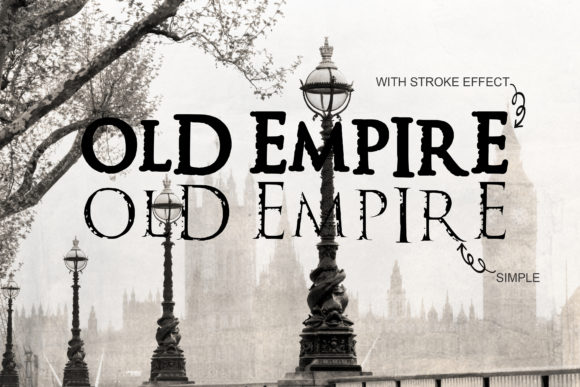
To understand why Old Empire works so well across various mediums, it helps to look closely at its visual characteristics. As a display font, it is designed to be seen, not necessarily to be read in long paragraphs. Its defining feature is its rough, distressed texture. The edges of the letters appear worn, as if they have been stamped onto canvas decades ago or eroded by time. This "imperfect" finish gives the typeface a raw, industrial yet elegant appeal that feels authentic rather than manufactured.
The structure of Old Empire relies on strong, bold forms that command attention. While it may share some structural similarities with classic slab serif fonts, it distinguishes itself through its unique surface treatment. It avoids the stiffness often associated with rigid serif fonts, instead offering a more organic, hand-crafted feel. This makes it particularly effective for logo design, where a memorable and distinctive mark is crucial. The font’s heavy weight ensures high visibility, even at smaller sizes, while its vintage styling evokes a sense of trust and longevity—qualities that are essential for brands wanting to establish credibility quickly.
Unlike a delicate script font or a playful handwritten font, Old Empire carries authority. It does not whisper; it speaks with a confident, slightly rugged voice. This makes it suitable for a wide range of industries, from automotive and tools to artisanal food and beverage, and even lifestyle brands targeting a masculine or unisex demographic. The texture adds depth to flat designs, allowing for rich visual layering when combined with other graphic elements.
Where Old Empire Shines: Practical Applications
The versatility of Old Empire lies in its ability to adapt to different contexts while maintaining its core identity. Here is how this premium font can elevate specific types of projects:
- Branding and Logo Design: For startups or established businesses looking to pivot towards a more heritage-focused image, Old Empire serves as a powerful anchor. It works exceptionally well in combination with a clean sans serif font, creating a balanced hierarchy where the logo grabs attention and the supporting text remains legible. This pairing is a staple in modern typography for creating sophisticated yet approachable brand identities.
- Packaging Design: In the crowded marketplace of consumer goods, packaging needs to pop off the shelf. Old Empire’s textured appearance mimics the look of screen printing or letterpress, adding a premium feel to labels for beers, sauces, cosmetics, or crafts. It suggests that the product inside is handmade, curated, or of high quality.
- Editorial and Print Materials: Magazines, zines, and brochures benefit greatly from the use of display fonts for headlines and pull quotes. Old Empire can turn a standard article header into a piece of art. When used in editorial design, it sets the tone for the publication, suggesting a focus on storytelling, culture, or history.
- Social Media Graphics: Content creators know that static images need to stop the scroll. Using Old Empire for key phrases in Instagram posts or Pinterest pins can significantly increase engagement. Its bold nature ensures readability even on small mobile screens, while its vintage style aligns with popular aesthetic trends like cottagecore, grunge, or retro revival.
- Crafting and Personal Projects: For hobbyists using cutting machines like Cricut or Silhouette, Old Empire is a favorite. It cuts cleanly despite its rough texture, making it perfect for t-shirts, mugs, stickers, and home decor items. The font’s robust structure holds up well on various materials, from fabric to wood.
Designing with Confidence: Pairing and Readability
While Old Empire is striking on its own, its true power is unlocked through thoughtful font pairing. Because it is a heavy display font, it should generally be paired with lighter, simpler typefaces to maintain balance. A clean sans serif font is the most common and effective choice. The neutrality of a sans serif allows the complex texture of Old Empire to take center stage without competing for attention. Alternatively, a light italic serif can add a touch of elegance and contrast, creating a dynamic interplay between old and new.
Readability is a critical consideration when working with display fonts. Old Empire is not intended for body copy. Using it for long passages of text will fatigue the reader and obscure the message. Instead, reserve it for headlines, titles, subheads, and short impactful phrases. This strategic use ensures that the audience engages with the typography as a visual element first and a textual element second, enhancing overall user experience and retention.
When evaluating project fit, consider the color palette. Old Empire looks particularly stunning in earth tones, deep blues, blacks, and creams. These colors complement the vintage aesthetic and enhance the perception of age and authenticity. Conversely, neon colors might clash with the font’s historical connotations, unless you are aiming for a specific ironic or postmodern effect.
Licensing and Commercial Use
For professionals and small business owners, understanding licensing is non-negotiable. Old Empire is available as a commercial font, which means it comes with specific usage rights that protect both the designer and the client. Before incorporating it into any client project or merchandise, ensure you have the appropriate license. This typically covers web design, print runs, and social media graphics, but may have restrictions on unlimited merchandise reproduction or resale of the font file itself.
Investing in a legitimate premium font supports the type designers who create these assets and ensures that your work remains legally sound. It also guarantees access to all included styles and weights, allowing for greater flexibility in your design system. By choosing Old Empire, you are not just selecting a font; you are acquiring a design asset that can define the visual language of your brand for years to come. Its enduring appeal and practical utility make it a valuable addition to any designer’s toolkit, capable of transforming ordinary layouts into extraordinary visual experiences.