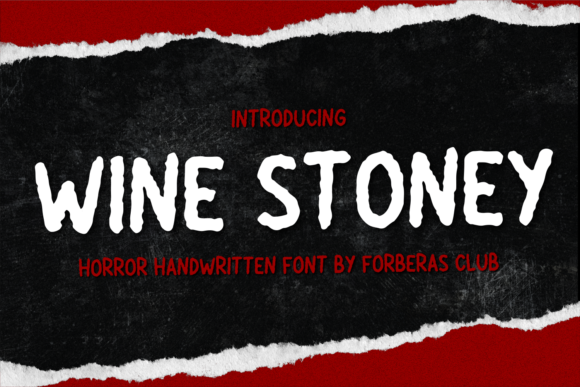
Wine Stoney: A Brushed, Creepy Display Font for Bold Designs
Typography is rarely just about readability. In the realm of branding and visual identity, typefaces carry emotional weight. They set the tone before a single word is fully processed by the brain. When you need a font that screams attitude, mystery, or raw energy, standard serif or sans-serif options often fall flat. This is where Wine Stoney enters the conversation. It is not merely a tool for text; it is an aesthetic statement designed to grab attention through its distinctive brushed and creepy display characteristics.
If you are a designer, marketer, or creative entrepreneur looking to inject a sense of edge into your projects, understanding the nuances of Wine Stoney can transform your work from generic to memorable. This article explores the practical applications, creative potential, and strategic use cases for this unique typeface, helping you decide when and how to deploy it effectively.
Understanding the Aesthetic: Brushed and Creepy
To use Wine Stoney effectively, you must first understand what it communicates. The term "brushed" refers to the texture of the letterforms. Unlike clean vector lines found in modern minimalist fonts, Wine Stoney mimics the irregularities of paint applied with a dry brush or a rough implement. There is grit in the edges. There is variation in the stroke width. This imperfection creates a tactile quality that feels handmade, urgent, and authentic.
The "creepy" descriptor adds another layer of psychological impact. It suggests the uncanny, the vintage horror aesthetic, or the unsettling atmosphere of a forgotten place. It does not mean the font is unusable; rather, it means it carries a narrative of suspense or rebellion. When combined, these traits create a display font that is perfect for contexts where you want to evoke a specific mood instantly. It is bold without being loud in a traditional sense; it is atmospheric.
This duality makes Wine Stoney versatile within niche markets. It can feel like a 1970s exploitation movie poster one moment and a high-end streetwear brand label the next. The key lies in context. By recognizing its inherent tension between organic texture and eerie presence, you can leverage it to create designs that linger in the viewer’s mind.
Strategic Applications in Branding and Merchandise
One of the most immediate and profitable uses for Wine Stoney is in merchandise design. The fashion industry, particularly streetwear and alternative subcultures, thrives on typography that conveys identity. T-shirts, hoodies, and caps benefit from large, impactful lettering that stands out against fabric textures. Because Wine Stoney has a brushed finish, it reproduces well on prints, capturing the grainy effect that resonates with audiences seeking authenticity over polish.
- Sportswear and Athletic Brands: While typically associated with clean lines, athletic brands often experiment with distressed aesthetics to convey ruggedness and endurance. Wine Stoney can be used for event titles, team nicknames, or limited-edition drops where a gritty, battle-worn look is desired.
- Clothing Labels and Tags: For small business owners launching independent clothing lines, using a distinctive font for hang tags or neck labels can elevate the perceived value of the product. It signals that the brand pays attention to detail and has a curated vision.
- Logos for Niche Businesses: Bars, breweries, tattoo studios, and vintage shops often seek logos that reflect their interior ambiance. A brushed, creepy font aligns perfectly with industrial decor, dark wood tones, and neon accents common in these establishments.
Digital and Print Media Opportunities
Beyond physical products, Wine Stoney offers significant utility in digital marketing and editorial design. In an online environment saturated with clean, white-space-heavy websites, a display font with character can serve as a powerful focal point. However, because it is a display font, it should be used sparingly. Its strength lies in headlines, banners, and hero sections, not in body copy.
For bloggers and content creators, using Wine Stoney for featured post titles or pull quotes can break up the visual monotony of text-heavy pages. Imagine a true crime blog, a horror fiction author’s website, or a music review site covering underground rock genres. Here, the font acts as a visual cue, preparing the reader for the tone of the content. It creates an immersive experience that draws the user deeper into the narrative.
Advertisements also benefit from this approach. Whether designing a Facebook ad, an Instagram story graphic, or a print flyer, the goal is to stop the scroll. Wine Stoney’s erratic brush strokes and unsettling vibe demand attention. When paired with high-contrast imagery—such as black and white photography or dark, moody backgrounds—the font becomes the anchor of the composition. It ensures that the message is not just read, but felt.
Designing with Consistency and Clarity
While Wine Stoney is expressive, effective design requires discipline. The "creepy" and "brushed" elements can easily become chaotic if not managed properly. To keep your results clear and organized, consider the following guidelines:
- Limit Usage: Reserve Wine Stoney for short phrases, single words, or headlines. Avoid long paragraphs. The complexity of the letterforms will fatigue the eye and reduce legibility.
- Contrast is Key: Pair Wine Stoney with simple, clean supporting fonts. A neutral sans-serif or a classic serif can balance the aggression of the display font, providing a stable foundation for the design.
- Color Psychology: The color palette should reinforce the font’s personality. Deep reds, blacks, off-whites, and muted earth tones complement the brushed aesthetic. Bright, primary colors might clash with the vintage, eerie vibe unless used intentionally for a pop-art effect.
- Texture Integration: Enhance the brushed look by adding subtle noise overlays or grain effects to your background. This ensures that the font does not look digitally flat but integrates seamlessly into the overall texture of the design.
Adapting to Different Audiences
The versatility of Wine Stoney allows it to be adapted for various demographics within the 20–50 age range. Younger audiences, particularly those interested in alternative culture, may appreciate the font’s rebellious and edgy qualities. For them, it represents non-conformity and artistic freedom. Designers targeting this group can lean into darker themes, using the font for concert posters, album covers, or graffiti-style art.
Older professionals or more conservative clients might find the "creepy" aspect too intense for general corporate use. However, there are still appropriate contexts. For example, a law firm specializing in criminal defense or a cybersecurity company focusing on threat detection could use Wine Stoney subtly in their branding to convey vigilance and seriousness. In these cases, the font should be used in monochrome or with very restrained color palettes to maintain professionalism while hinting at the underlying theme.
Educators and hobbyists can also find inspiration here. Workshops on calligraphy, ink painting, or digital illustration can use Wine Stoney as a case study for discussing texture and emotion in typography. By analyzing how the font evokes specific feelings, students can learn to apply similar principles to their own custom lettering projects.
Maximizing Creative Potential
To truly master Wine Stoney, think beyond static applications. Experiment with distortion, warping, and layering. Combine it with hand-drawn elements to enhance the brushed effect. Use it in conjunction with photographic manipulation to create surreal compositions. The goal is to make the font part of the artwork, not just a label attached to it.
Consider the platform as well. On mobile devices, where screen space is limited, large, bold letters like those in Wine Stoney can dominate the view effectively. Ensure that the kerning (spacing between letters) is adjusted for smaller screens to prevent the textured edges from bleeding together. Accessibility remains important; always provide sufficient contrast between the text and background to ensure readability for all users.
Ultimately, Wine Stoney is a powerful asset for anyone looking to add depth and character to their visual communication. It bridges the gap between the organic and the digital, the playful and the ominous. By understanding its strengths and respecting its limitations, you can create designs that are not only visually striking but also emotionally resonant. Whether you are launching a new brand, updating a website, or creating personal art, let the brushed, creepy nature of Wine Stoney guide your creative direction toward something truly unforgettable.