Sprocket: Strategic Typography for Bold Visual Communication
In an era where digital attention spans are fragmenting and visual noise is at an all-time high, the choice of typeface is no longer merely aesthetic—it is a strategic asset. For entrepreneurs, marketers, educators, and creative professionals, selecting the right font can mean the difference between a message that is ignored and one that is remembered. Sprocket emerges as a distinct solution in this landscape. It is not just a "cool" or "neat" display font; it is a bold, mechanical, and highly legible tool designed to command attention while maintaining structural integrity.
This article explores how Sprocket can be integrated into your design workflow to enhance branding, improve communication clarity, and drive engagement across various mediums, from digital presentations to physical greeting cards. By understanding the mechanics behind its design and applying it with intention, you can leverage this typeface to achieve better results in your projects.
Understanding the Strategic Value of Display Fonts
Before diving into the specifics of Sprocket, it is essential to understand why display fonts matter in professional contexts. Unlike body text fonts, which prioritize readability over long periods, display fonts are designed to be seen at large sizes and short distances. They serve as visual anchors, setting the tone for a project before a single word is read.
For decision-makers and brand managers, the risk lies in choosing a font that prioritizes novelty over function. A font that is too ornate may hinder readability, while one that is too generic fails to differentiate. Sprocket occupies a unique middle ground. Its bold, industrial aesthetic suggests reliability and strength, making it suitable for industries ranging from construction and engineering to modern tech startups and lifestyle brands. The key to using Sprocket effectively is recognizing that it is a statement font—one that should be used sparingly and purposefully to highlight key information rather than fill space.
The Anatomy of Sprocket’s Appeal
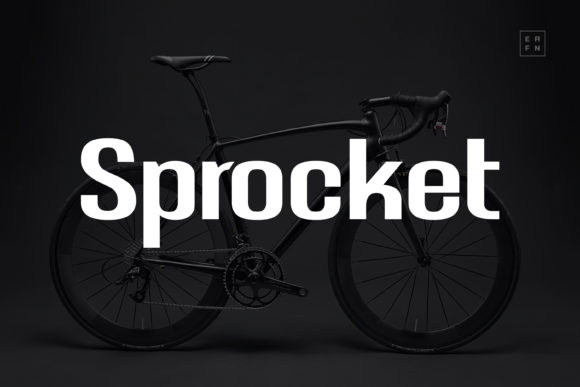
Sprocket is characterized by its geometric precision and mechanical feel. The letters often feature rounded terminals and consistent stroke widths, creating a sense of unity and order. This "neat" quality is crucial for professional environments where cluttered or chaotic designs can undermine credibility. When you use Sprocket, you are implicitly communicating that your brand values structure, clarity, and boldness.
Furthermore, the font’s versatility allows it to adapt to different contexts without losing its identity. Whether it appears on a website header, a business card, or a workshop poster, Sprocket maintains its distinctive character. This consistency is vital for building long-term brand recognition. For freelancers and small business owners who cannot afford extensive rebranding efforts, choosing a versatile font like Sprocket ensures that their visual assets remain relevant and effective over time.
Practical Applications Across Industries
To maximize the utility of Sprocket, it is helpful to examine specific use cases where its bold and neat qualities provide tangible benefits. Below are several scenarios where Sprocket can be strategically deployed to enhance outcomes.
Digital Design and Web Presence
In the digital realm, first impressions are formed in milliseconds. A website’s typography plays a critical role in establishing trust and guiding user behavior. Using Sprocket for headlines, call-to-action buttons, or section dividers can draw the eye immediately to important elements. However, caution must be exercised. Because Sprocket is a display font, it should not be used for body text. Instead, pair it with a clean, neutral sans-serif font for paragraphs to ensure readability.
- Hero Sections: Use Sprocket in large point sizes for main headlines to create immediate impact.
- Navigational Elements: Apply it to menu items or category labels to distinguish them from content.
- Infographics: Leverage its mechanical style for data labels or chart titles to reinforce a technical or analytical theme.
Marketing Materials and Presentations
For marketers and educators, the ability to hold an audience’s attention is paramount. In PowerPoint or Keynote presentations, slides filled with dense text often lead to disengagement. Sprocket can be used to break up content and emphasize key takeaways. Its bold nature ensures that even projected text remains legible from a distance.
When crafting marketing collateral such as flyers, brochures, or social media graphics, Sprocket adds a layer of professionalism and flair. It works particularly well for event announcements, product launches, or limited-time offers where urgency and excitement are desired. The font’s "cool" factor resonates with younger demographics, while its structured form appeals to more conservative audiences, making it a safe yet dynamic choice for broad campaigns.
Crafting and Physical Products
The utility of Sprocket extends beyond digital screens into the physical world. For hobbyists, crafters, and small business owners producing handmade goods, Sprocket is an excellent choice for labeling and packaging. Its clear letterforms ensure that product names, ingredients, or care instructions are easily readable by customers.
Greeting cards, invitations, and custom stationery also benefit from Sprocket’s aesthetic. The font’s bold lines stand out well when printed on various materials, including cardstock, wood, or metal. For entrepreneurs selling personalized gifts or branded merchandise, incorporating Sprocket into the design process can elevate the perceived value of the product. It signals attention to detail and a commitment to quality, factors that directly influence customer satisfaction and repeat business.
Strategic Considerations and Best Practices
While Sprocket offers many advantages, its effectiveness depends on how it is applied. Misuse can lead to visual fatigue, reduced readability, or a mismatch with brand identity. To avoid these pitfalls, consider the following guidelines.
Intentional Usage Over Random Application
One common mistake is using display fonts throughout a document or design. This approach dilutes the impact of the font and makes the overall composition look chaotic. Sprocket should be reserved for headings, titles, and short phrases. Body text should always be handled by a more subdued typeface. This contrast creates a hierarchy that guides the reader’s eye through the content logically.
Additionally, consider the context of your audience. If you are designing for a formal corporate environment, Sprocket might need to be toned down by using lighter weights or smaller sizes. Conversely, for creative agencies or youth-oriented brands, Sprocket can be pushed to its limits with larger sizes and vibrant colors. Understanding your audience’s expectations is crucial for making the right typographic decisions.
Pairing and Compatibility
No font exists in isolation. To make Sprocket shine, it needs complementary typefaces. Since Sprocket has a strong mechanical presence, it pairs well with simple, geometric sans-serifs or clean serif fonts. Avoid pairing it with other decorative or script fonts, as this can create visual competition and confuse the viewer. The goal is harmony, not conflict.
When selecting a secondary font, focus on legibility and neutrality. A font like Helvetica, Arial, or Open Sans can provide a stable foundation for Sprocket’s bold statements. This combination ensures that your design remains accessible and easy to read while still retaining a distinctive visual identity.
Risks of Over-Reliance
There is a risk of relying too heavily on a single font for all design needs. While Sprocket is versatile, it may not suit every project. For instance, if you are designing a luxury brand identity, Sprocket’s industrial vibe might clash with the desired image of elegance and refinement. In such cases, a more delicate or classic typeface would be more appropriate. Always evaluate whether the font aligns with the core values and goals of the project before committing to it.
Another potential risk is accessibility. Bold, heavy fonts can sometimes reduce readability for individuals with visual impairments if not sized correctly. Ensure that your use of Sprocket adheres to accessibility standards, such as providing sufficient contrast against background colors and allowing for responsive scaling on different devices.
Long-Term Value and Brand Consistency
Investing time in understanding and utilizing Sprocket correctly can yield long-term benefits for your brand or personal projects. Consistency in typography builds trust and recognition. When customers see Sprocket used repeatedly across different touchpoints—website, email newsletters, packaging—they begin to associate it with your brand’s personality.
Moreover, adopting a disciplined approach to typography fosters better design habits. By learning when to use Sprocket and when to step back, you develop a sharper eye for detail and a more strategic mindset. This skill set is invaluable for professionals looking to elevate their work and stand out in competitive markets.
In conclusion, Sprocket is more than just a pretty font. It is a powerful tool for visual communication that, when used thoughtfully, can enhance clarity, strengthen branding, and engage audiences. Whether you are a seasoned designer or a beginner exploring creative tools, integrating Sprocket into your workflow with intention and strategy will help you achieve better results and create more impactful designs.