Glomy: Embracing the Raw Edge of Street-Inspired Typography
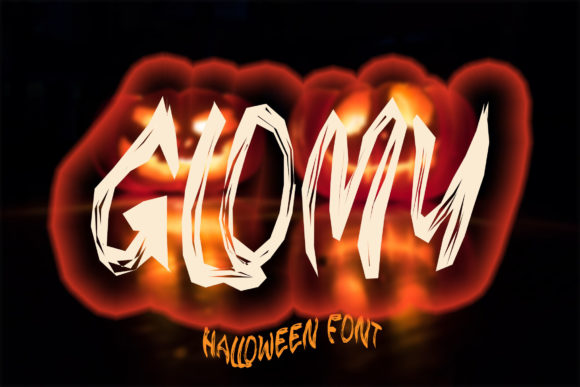
In a digital landscape dominated by clean lines, minimalist sans-serifs, and polished geometric forms, there is a growing appetite for texture, imperfection, and raw energy. This shift reflects a broader cultural desire for authenticity in design. Enter Glomy, a creepy-styled display font that captures the gritty essence of urban environments. With its brushed, street art vibe, Glomy offers designers and creators a powerful tool to inject attitude and personality into their work. It is not merely a typeface; it is a statement piece that bridges the gap between traditional graffiti aesthetics and modern commercial design.
The Evolution of Display Fonts in Modern Design
Typography has always been a reflection of the times. In the early 20th century, bold slab serifs conveyed industrial strength. In the late 20th century, sleek Helvetica symbolized corporate neutrality. Today, as consumers become increasingly savvy and skeptical of overly polished marketing, brands are turning to typography that feels human, tactile, and unfiltered. The trend toward "distressed" or "hand-drawn" fonts is not just a passing fad; it is a response to the homogenization of digital media.
Glomy fits squarely into this movement. It moves away from the sterile perfection of vector-based lettering and embraces the irregularity of brush strokes and spray paint. This aesthetic resonates with an audience that values individuality over uniformity. For professionals working in creative industries, understanding this shift is crucial. Clients no longer just want legibility; they want emotion. They want their logos and advertisements to feel like they have a history, a location, and a voice. Glomy provides that voice through its distinctive, eerie character set.
Why the Brushed Aesthetic Matters
The specific style of Glomy—brushed and street-art inspired—carries significant semiotic weight. When a viewer sees a font that mimics the application of paint on concrete or brick, they subconsciously associate it with rebellion, youth culture, and grassroots movements. This makes it particularly effective for brands that want to position themselves as edgy, authentic, or counter-cultural.
- Tactile Quality: Unlike flat digital text, Glomy’s textured appearance suggests physical presence, making designs feel more grounded and real.
- Narrative Depth: The "creepy" undertone adds a layer of mystery or intensity, which can be leveraged for horror-themed projects, nightlife branding, or bold fashion statements.
- Visual Disruption: In a feed full of smooth gradients and soft shadows, a rough, brushed font acts as a visual interrupter, grabbing attention immediately.
Practical Applications for Creators and Businesses
One of the strongest arguments for using Glomy is its versatility across various high-impact mediums. While some decorative fonts are limited to niche uses, Glomy has proven robust enough for commercial applications ranging from apparel to large-scale advertising. Its readability remains intact even at smaller sizes, provided it is used correctly, making it a practical choice for designers who need both style and function.
Apparel and Sportswear
The fashion industry has long embraced streetwear aesthetics, and typography is central to this genre. Brands like Supreme, Off-White, and numerous independent labels rely heavily on custom or stylized fonts to define their identity. Glomy is exceptionally well-suited for t-shirts, hoodies, and sportswear because its aggressive look complements the active, dynamic nature of these garments.
For entrepreneurs launching a clothing line, using a font like Glomy can instantly communicate the brand's vibe without needing extensive taglines. A logo featuring Glomy on a black t-shirt creates a stark, high-contrast image that is memorable and shareable. It appeals directly to the demographic that values self-expression through fashion. Furthermore, the font’s compatibility with screen printing and vinyl cutting makes it a cost-effective solution for small-batch production runs common in the indie fashion sector.
Logos and Brand Identity
Creating a logo with a display font requires careful consideration. However, when executed well, a font like Glomy can serve as the cornerstone of a strong brand identity. It works particularly well for businesses in the entertainment, fitness, music, and food sectors.
Consider a gym or fitness studio aiming to attract a younger, hardcore demographic. A standard serif font might feel too academic or traditional. In contrast, a Glomy-based logo conveys intensity and resilience. Similarly, for a local band or a music festival, the font’s eerie, brushed quality enhances the thematic elements of the event, creating a cohesive visual experience from the poster to the merchandise.
Advertisements and Social Media
In the realm of digital marketing, attention spans are shorter than ever. Advertisements must convey their message instantly. Glomy’s bold, impactful shapes allow headlines to stand out in crowded social media feeds. Whether it’s a Facebook ad for a horror movie marathon or an Instagram post promoting a limited-edition sneaker drop, the font commands attention.
Marketers should note that Glomy pairs best with minimal backgrounds. Because the font itself carries so much visual weight, cluttering the design with excessive graphics or complex patterns can dilute its impact. Clean, monochromatic, or high-contrast backgrounds allow the brushed texture of the letters to shine, ensuring the message is clear and striking.
Design Best Practices for Using Glomy
To leverage the full potential of Glomy, designers must adhere to certain principles of hierarchy and balance. Here are some practical recommendations for integrating this font into professional workflows:
- Pairing Strategy: Since Glomy is a display font, it should generally be used for headlines, titles, or short phrases rather than body text. Pair it with a simple, neutral sans-serif (like Arial, Helvetica, or Roboto) for secondary information. This contrast ensures that while the headline grabs attention, the supporting text remains easy to read.
- Spacing and Kerning: Display fonts often require adjusted tracking (letter-spacing) to look optimal. Tight spacing can make the brushed edges bleed into each other, reducing legibility. Experiment with slightly wider spacing to let the individual characters breathe and showcase their unique shapes.
- Color Psychology: The "creepy" and "street" vibes of Glomy are enhanced by specific color palettes. Black, white, red, neon green, and deep purple are natural companions. Avoid pastel colors unless you are intentionally trying to create a jarring juxtaposition, as this can undermine the font’s inherent edge.
- Contextual Relevance: Ensure the font aligns with your brand’s core values. Using Glomy for a law firm or a healthcare provider would likely send mixed messages. Reserve it for contexts where boldness, creativity, and non-conformity are desired traits.
The Future of Edgy Typography
As technology advances, we are seeing a rise in variable fonts and dynamic typography that can adapt to user preferences. However, the demand for static, character-rich fonts like Glomy shows no signs of waning. In fact, as AI-generated content becomes more prevalent, there may be a premium placed on human-made, imperfect, and textured design elements. These elements signal human effort and artistic intent, distinguishing a brand from the sea of algorithmically produced visuals.
Moreover, the integration of physical and digital design is blurring. Augmented reality (AR) experiences and interactive web design are beginning to incorporate 3D textures and depth. Glomy’s inherent texture gives it an advantage in these emerging mediums, as it translates well into three-dimensional space without losing its character. Designers who master the use of such fonts now will be well-positioned to lead in these new creative frontiers.
Sustainability in Design Choices
There is also a subtle link between the "street art" vibe of Glomy and sustainable design practices. Street art is often ephemeral, existing in the moment before it fades or is painted over. By using a font that evokes this transient, organic feel, designers can subtly nod to themes of sustainability and impermanence. This is particularly relevant for brands in the eco-conscious space that want to avoid the coldness of traditional corporate design.
Conclusion for the Creative Professional
Choosing the right font is one of the most critical decisions in any design project. It sets the tone, influences perception, and guides the user’s emotional response. Glomy stands out as a versatile, expressive option for those looking to break away from the mundane. Its brushed, street art-inspired aesthetic offers a perfect blend of creepiness and cool, making it ideal for a wide range of applications including t-shirts, sportswear, logos, and advertisements.
For freelancers, business owners, and marketers, incorporating Glomy into your toolkit means having access to a typeface that speaks the language of modern urban culture. It allows you to connect with audiences on a visceral level, bypassing intellectual filters and appealing directly to emotion and instinct. As the design world continues to evolve, the ability to wield such powerful typographic tools effectively will remain a key differentiator for successful creatives. Embrace the grit, respect the craft, and let Glomy help your designs stand out in the noise.