Evaluating Sunmor: A Bold Display Type for High-Impact Print Design
In the landscape of graphic design, typography serves as the primary vehicle for visual hierarchy and emotional resonance. When a project demands immediate attention—such as event posters, promotional flyers, or large-format signage—the choice of typeface can dictate the success of the entire composition. Among the various display fonts available to designers, Sunmor has emerged as a distinctive option characterized by its cool, rough, and bold aesthetic. This article provides an in-depth evaluation of Sunmor, examining its stylistic attributes, practical applications, and how it compares to other display typographic approaches.
Understanding the Aesthetic Profile of Sunmor
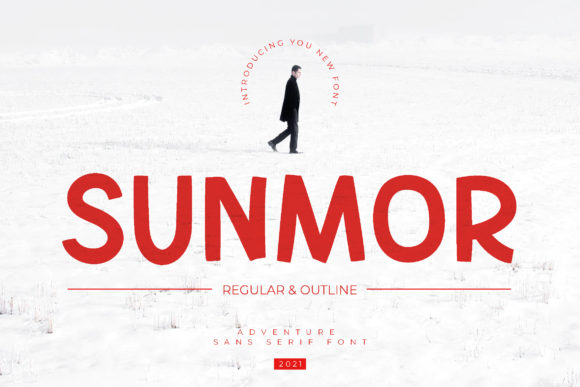
Sunmor is not designed for body text or delicate editorial layouts. Instead, it belongs firmly to the category of heavy display fonts. Its defining characteristic is a "rough" texture that suggests wear, age, or industrial grit. Unlike polished geometric sans-serifs or elegant serifs, Sunmor embraces imperfection. The edges are often irregular, and the weight distribution creates a sense of raw energy. This makes it particularly effective for designs that aim to convey strength, rebellion, or vintage authenticity.
The font’s bold nature ensures legibility at large sizes, which is critical for print media where viewers may be passing by quickly. However, this same boldness requires careful handling. Because Sunmor carries so much visual weight, it dominates any layout it inhabits. Designers must provide ample negative space around the letters to prevent the text from feeling cluttered or oppressive. When used correctly, Sunmor transforms simple headlines into striking visual statements that capture the eye instantly.
Key Visual Characteristics
- Rough Texture: The irregular edges give the font a tactile quality, mimicking stamped metal or weathered wood.
- High Contrast: Even within its bold structure, there are variations in stroke width that add dynamic interest.
- Cool Tone: Despite its rugged appearance, the overall feel is modern and detached, avoiding overly rustic or playful vibes.
- Strong Presence: It commands attention without requiring complex kerning adjustments or extensive layout manipulation.
Best-Fit Use Cases for Sunmor
Choosing the right tool for the job involves matching the typeface’s personality with the project’s goals. Sunmor excels in scenarios where impact is prioritized over readability of long passages. Below are specific contexts where this font demonstrates its greatest value.
Event Posters and Concert Flyers
Music events, particularly those in rock, punk, or alternative genres, benefit significantly from the aggressive yet stylish look of Sunmor. The font’s rough edges align well with the rebellious spirit of these cultures. On a poster, a headline set in Sunmor can evoke the feeling of a hand-printed gig flyer from the 1970s while maintaining the crispness required for modern digital reproduction. It allows designers to create a sense of urgency and excitement that softer fonts cannot achieve.
Branding for Industrial or Outdoor Products
Brands operating in sectors such as construction, automotive repair, outdoor gear, or craft brewing often seek visual identities that communicate durability and reliability. Sunmor’s sturdy form factor supports these messages effectively. When applied to logos or packaging labels, it suggests that the product is built to last. For example, a label on a bottle of hot sauce or a logo for a mountain bike shop can use Sunmor to reinforce the idea of toughness and adventure.
Sale Announcements and Promotional Materials
Retail environments rely heavily on clear, urgent messaging. While many designers turn to standard bold sans-serifs for sales tags, Sunmor offers a way to break through the visual noise. A "50% Off" sign rendered in Sunmor feels more like a graffiti tag than a corporate memo, which can resonate better with younger demographics or urban markets. The key here is to pair Sunmor with clean, minimal backgrounds to ensure the message remains legible.
Comparing Sunmor to Alternative Display Approaches
To make an informed decision, it is helpful to compare Sunmor against other common typographic strategies used in similar contexts. Understanding these differences helps designers avoid mismatches between font and intent.
Sunmor vs. Clean Geometric Sans-Serifs
Clean geometric fonts (such as Futura or Montserrat) offer neutrality and versatility. They work well in almost any context and are easy to read at small sizes. Sunmor, by contrast, is highly specialized. It lacks the neutrality of geometric sans-serifs but offers far more character. If a brand aims for a minimalist, tech-forward, or corporate image, Sunmor would likely be too aggressive. However, if the goal is to stand out in a crowded market with a distinct personality, Sunmor provides a competitive advantage that neutral fonts cannot match.
Sunmor vs. Handwritten or Script Fonts
Handwritten fonts often convey creativity, personal touch, or elegance. They are popular in wedding invitations, boutique branding, and lifestyle blogs. Sunmor shares the "hand-crafted" illusion due to its rough texture but delivers it through a lens of hardness rather than fluidity. Where a script font invites the viewer in gently, Sunmor grabs them forcefully. For projects requiring warmth and approachability, Sunmor is the wrong choice. For projects requiring authority and edge, it is superior.
Sunmor vs. Traditional Serif Display Fonts
Traditional serif display fonts (like Bodoni or Didot) are associated with luxury, fashion, and high-end editorial design. They rely on thin hairlines and thick strokes to create drama. Sunmor achieves drama through mass and texture rather than contrast. A luxury fashion magazine would find Sunmor too crude, whereas a skateboarding zine would find a traditional serif too stiff. The tradeoff here is between sophistication and raw energy.
Practical Considerations and Limitations
While Sunmor is a powerful tool, it comes with limitations that designers must navigate. Recognizing these constraints early in the process can save time and improve final output quality.
Legibility at Small Sizes
Due to its complex internal details and rough edges, Sunmor loses clarity when scaled down. Using it for subheadings, captions, or body copy will result in poor readability and a muddy appearance. It should be reserved for headlines, titles, and short phrases only. If a design requires multiple levels of text hierarchy, Sunmor should be paired with a simpler, cleaner secondary font to maintain balance.
Kerning and Spacing Challenges
Display fonts with irregular shapes often require manual kerning adjustments. Letters in Sunmor may have varying widths and protrusions that clash if placed too close together. Designers should avoid justified alignment, which can create uneven gaps between words. Left-aligned or centered layouts generally work best, allowing the natural rhythm of the font to guide the reader’s eye.
Contextual Appropriateness
One of the most common mistakes is using Sunmor in inappropriate contexts. Its "cool" and "rough" vibe does not translate well to healthcare, finance, education, or legal services. In these fields, trust and clarity are paramount, and Sunmor’s aggressive aesthetic may undermine credibility. Always consider the target audience and industry norms before selecting this typeface.
Maximizing Potential Through Pairing
The true power of Sunmor lies in how it interacts with other design elements. Since it is a dominant force, it needs support. Effective pairing strategies include:
- Minimalist Backgrounds: Use solid colors, subtle gradients, or high-contrast photography to let the font shine without competition.
- Simple Secondary Typography: Pair Sunmor with a clean sans-serif or slab-serif for supporting text. This creates a clear distinction between the headline and the information.
- Texture Integration: Enhance the rough aesthetic by adding grain overlays, noise effects, or distressed textures to the background. This reinforces the font’s character and creates a cohesive visual language.
Conclusion: Is Sunmor Right for Your Project?
Sunmor is a specialized asset in the designer’s toolkit. It is not a universal solution, nor should it be expected to perform tasks outside its scope. Its strength lies in its ability to inject attitude, energy, and visual weight into print designs. For posters, flyers, and branding materials that need to cut through the noise and communicate a bold message, Sunmor is an excellent choice.
However, it requires a thoughtful approach. Designers must respect its limitations regarding size and context, and they must pair it wisely with complementary elements. By understanding where Sunmor fits within the broader spectrum of display typography, professionals can leverage its unique qualities to create designs that are not only seen but remembered. Whether you are designing for a music festival, a rugged outdoor brand, or a bold retail promotion, exploring the endless possibilities of Sunmor can elevate your work from ordinary to outstanding.